

 ru
ru
 English
 русский
 Español
 عربى
عربى
Выбор долговечных компонентов пожарного оборудования для обеспечения его долговечной работы
Контент
Когда пожарное оборудование выезжает со станции для тушения пожара или спасательной операции на шоссе, каждый болт, петля и поверхность лестницы подвергаются воздействию тепла, вибрации, влаги и грубого обращения. Некоторые компоненты начинают изнашиваться в течение пяти лет. Другие продолжают работать более пятнадцати лет, не теряя своей структурной целостности или запаса прочности. Разница не случайна. Это результат тщательного выбора материалов, проверенной конструкции конструкции и строгих производственных допусков. В этой статье рассматриваются наиболее важные долговечные компоненты пожарного оборудования, объясняется, что делает их долговечными, и предлагаются практические рекомендации для покупателей, менеджеров автопарка и специалистов по модернизации, которым необходимо принять обоснованное решение.
Реальная цена отказа компонента
Долговечность – это не маркетинговая фраза. Это финансовый и операционный фактор. Один из инцидентов, о которых сообщалось в региональной пожарной части, был связан со складной посадочной лестницей, которая вышла из строя во время учений, поскольку шарнирные штифты подверглись коррозии из-за многолетнего воздействия соли и влаги. Травм не произошло, но лестницу пришлось убрать досрочно. Департамент заменил его версией из нержавеющей стали, и менеджер по техническому обслуживанию позже сказал, что первоначальная более высокая закупочная цена окупилась за счет меньшего количества замен и меньшего времени простоя при проверках.
Для оператора автопарка математика работает в нескольких направлениях. Небольшой дефект в компоненте может вывести насос из строя на несколько дней. Это влияет на готовность экипажа, обязательства по взаимопомощи и способность отвечать на звонки во время пиковых погодных явлений. Механическая надежность пожарной машины не является проблемой одной системы. Это сборка мелких деталей, которые должны выдерживать годы работы в очень специфической рабочей среде.
- Воздействие тепла от места пожара может привести к повреждению уплотнений, шлангов и пластиковых компонентов.
- Истирание от инструментов, обуви и груза приводит к износу поддонов пола, лестниц и внутренней части отсеков.
- Коррозия концентрируется в соединениях, крепежах, петлях и поручнях, где скапливается вода.
- Вибрационная усталость влияет на сварные швы, кронштейны и электрические компоненты шасси.
Когда компонент выходит из строя, последствия выходят далеко за рамки цены замены. Экипажу, возможно, придется адаптировать свою тактику или работать с ограниченными возможностями. А иногда отказ создает угрозу безопасности, которую замечают слишком поздно.
Выбор материала: основа долгосрочной эффективности
Прежде чем какое-либо изделие можно будет считать долговечным, необходимо выбрать материал с учетом условий эксплуатации. Производители пожарной техники и поставщики компонентов используют разные материалы для разных деталей, поскольку требования к ним различаются в зависимости от автомобиля. Тремя наиболее распространенными группами материалов являются нержавеющая сталь, алюминий и оцинкованная сталь.
| Материал | Коррозионная стойкость | Баланс веса и силы | Свариваемость/ремонтопригодность |
|---|---|---|---|
| нержавеющая сталь 304 | Отлично, особенно в условиях соленой дороги. | Тяжелее алюминия, но обладает высокой прочностью при той же толщине. | Хорошо, при правильной технике сварки. |
| Алюминиевый сплав (например, 5083) | Хороший, легкий, но может страдать от гальванической коррозии в сочетании со стальной фурнитурой. | Примерно половина веса стали, с достаточным пределом текучести. | Умеренная, требует квалифицированной сварки |
| Оцинкованная сталь | Отлично подходит для случаев, когда цинковое покрытие неповреждено, но кромки и места порезов уязвимы. | Высокая прочность и жесткость, тяжелее алюминия. | Хорошо, но сварка нарушает покрытие |
Нержавеющая сталь, особенно нержавеющая сталь марки 304, является распространенным выбором для посадочных лестниц для пожарных машин. Он естественным образом противостоит коррозии и не требует покрытия, которое может поцарапаться или отколоться. В цехах, работающих во влажном или заснеженном климате, поручни и поверхности палуб из нержавеющей стали уже давно доказали свою ценность. Лестница для пожарного оборудования из нержавеющей стали 304 — это не просто улучшение материала. Это также упрощает проверку, поскольку поверхностную коррозию легче обнаружить и контролировать, чем внутреннюю ламинарную коррозию.
Если вы выбираете лестницу из нержавеющей стали или другой компонент из нержавеющей стали для своего аппарата, вы можете выбрать такой продукт, как 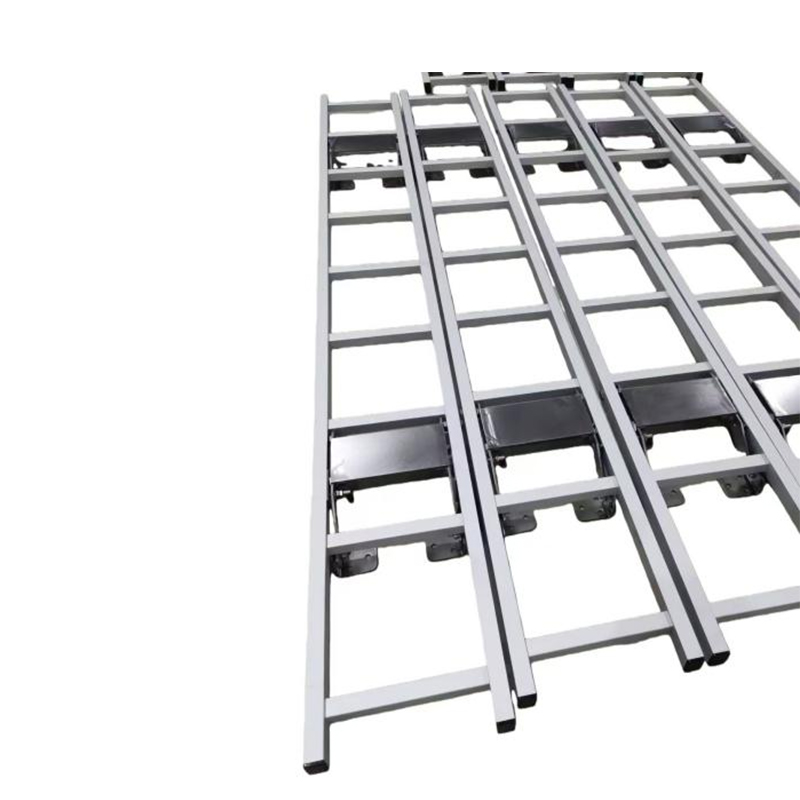 Посадочная лестница для пожарной машины из нержавеющей стали 304 с алюминиевой рамой Эта лестница сочетает в себе раму из высокопрочного алюминиевого сплава с креплениями из нержавеющей стали 304 и складную конструкцию, обеспечивающую коррозионную стойкость и долговечность для тяжелых условий эксплуатации пожарных машин. Посмотреть продукт → который создан специально для того, чтобы выдерживать хранение на открытом воздухе, мойку под высоким давлением и многократное движение экипажа. Лестницы такого типа отвечают практическим требованиям долговечности: стабильны, устойчивы к ржавчине и не требуют особого ухода.
Алюминий ценен, когда важна экономия веса, но следует тщательно контролировать риск гальванической коррозии. В конструкциях из смешанных материалов используйте неметаллические или соответствующие изолирующие крепления, чтобы избежать прямого контакта алюминия со сталью.
Вопросы долговечности каждого компонента
Каждая часть пожарного оборудования сталкивается с собственным набором реальных условий. Лестница подвергается термоциклированию, тяжелым нагрузкам на ноги и повторяющемуся складыванию. Дверь купе выдерживает захлопывание и солевой туман. Рольставни подвергаются воздействию пыли, дождя и перепадов температур. В следующей разбивке объясняется, что проверять на каждом компоненте.
Посадочные лестницы и поручни
Трап посадочной лестницы является одной из наиболее часто используемых и наиболее важных с точки зрения безопасности зон на аппарате. Пожарные поднимаются наверх, используя тяжелые средства индивидуальной защиты, инструменты и в некоторых случаях находясь в состоянии стресса. Прочная лестница должна противостоять изгибу, скручиванию и коррозии, оставаясь при этом достаточно легкой, чтобы с ней мог справиться экипаж.
Ищите конструкцию лестницы из нержавеющей стали 304 или высококачественного алюминия с усиленными косынками в точках крепления. Лестница должна неоднократно выдерживать подъемную нагрузку без прогиба. Осмотр точек крепления имеет важное значение, поскольку именно там концентрируется устойчивое напряжение.
Поручни не менее важны. Правильно анодированный алюминиевый поручень может обеспечить хорошую службу, но он должен быть соединен с устойчивым к коррозии крепежом. Поручень лестницы пожарной машины обычно монтируется с помощью крепежа из нержавеющей стали. Выбирая этот компонент, проверьте качество крепления, поскольку незакрепленный или проржавевший кронштейн является частой причиной преждевременной замены.
Двери купе
Двери кабины пожарной машины должны открываться и закрываться много раз в день. Дверь кабины с ручным управлением, как правило, имеет более простую механику, в то время как дверь кабины с электроприводом повышает надежность привода и проводки. Для обеспечения долговечности внимание к петлям, уплотнениям и запирающему механизму важнее, чем только тип привода.
Вы можете рассмотреть 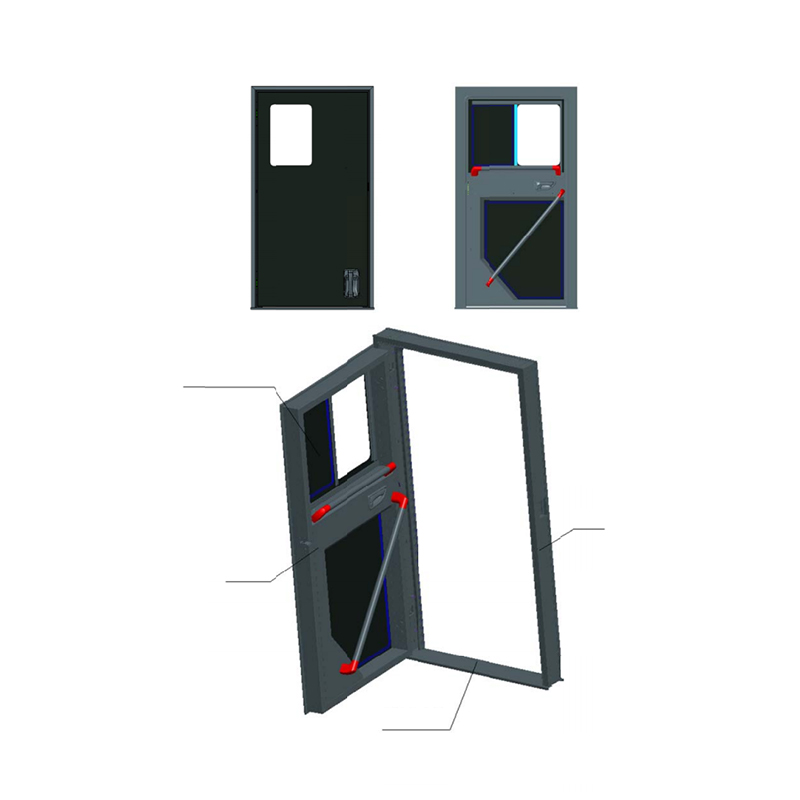 Ручная дверь кабины пожарной машины для отдельной кабины экипажа Эта дверь кабины с ручным управлением оснащена механизмом оконного стекла «тяни-толкай» и предназначена для отдельных кабин экипажа или других помещений, обеспечивая простое и не требующее обслуживания решение доступа для региональных транспортных средств. Посмотреть продукт → когда автомобиль обслуживает региональную службу и отсек нуждается в решении, не требующем особого обслуживания. Аналогично,
 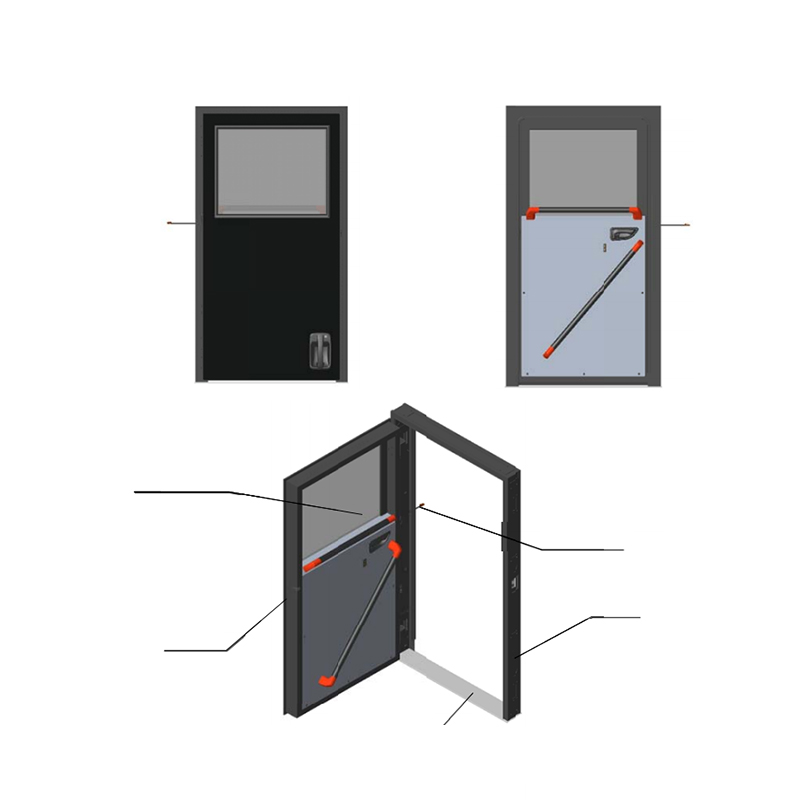 Дверь кабины электрической пожарной машины с автоматическим управлением окнами В этой электрической двери кабины используется привод для автоматического открывания оконных стекол, что делает ее идеальной для транспортных средств с надежными энергосистемами и повышает эффективность доступа экипажа в пожарных машинах. Посмотреть продукт → Это правильно, когда обслуживающий персонал имеет преимущества автоматизированного доступа, а транспортное средство имеет надежную энергосистему.
Дополнительную информацию о выборе лестниц и вариантов посадки можно получить на странице Руководство по выбору подходящей лестницы для пожарной машины .
Рольставни и двери специального назначения для транспортных средств
Рольставни подвержены воздействию погодных условий и дорожной грязи, поэтому зачастую их выбирают в стандартной или усиленной конфигурации. В усиленных ставнях используются более тяжелые планки и более прочные торцевые пластины, что имеет существенное значение, когда в отсеке хранятся инструменты, которые могут сместиться во время транспортировки.
В суровых условиях электрические рольставни повышают удобство, но требуют герметичных двигателей и защищенной проводки. А обеспечивает повышенную прочность благодаря работе с электроприводом, что подходит, когда экипажам необходим быстрый доступ, сохраняя при этом внутреннее оборудование защищенным. Для полностью ручного решения также является хорошим вариантом для отделов, предпочитающих минимальную электрическую сложность.
Системы хранения и крепления
В отсеках для оборудования лотки, ящики и стеллажи имеют решающее значение для организованного и быстрого доступа. Их долговечность имеет значение, поскольку они несут тяжелые инструменты и шланги, а направляющие должны надежно работать в течение многих лет. Вибрации от шасси здесь являются основной причиной износа.
Прочные направляющие выдвижных ящиков с герметичными подшипниками выдерживают более высокие нагрузки и лучше противостоят загрязнению, чем стандартные направляющие. Система выдвижных ящиков пожарной машины также имеет конструкцию из нержавеющей стали или стали с порошковым покрытием. В примере из пожарной части выдвижной лоток с бензопилой и топливом был заменен из-за заклинивания роликов лотка. Поставщик модернизировал роликовую систему до версии с герметичными подшипниками, и теперь этот компонент прослужил без сбоев восемь лет.
Тестирование и приемка: что спросить у поставщика
Многие компоненты пожарного оборудования проходят испытания на соответствие стандартам, которые определяют рабочие циклы, пределы нагрузки и воздействие окружающей среды. При покупке компонентов попросите поставщика указать, какой стандарт применяется. Общие ожидания включают испытания на коррозию в солевом тумане, испытания лестниц под нагрузкой и циклические испытания дверей и ставен.
| Группа компонентов | Спросите поставщика | Почему это важно |
|---|---|---|
| Посадочные лестницы | Какая номинальная нагрузка применяется? Какова продолжительность использования солевого тумана? | Подтверждает структурный запас и долгосрочное коррозионное поведение. |
| Двери кабины | Каково количество циклов во время теста? Заменяемы ли сальники? | Указывает предполагаемый срок службы и общую стоимость владения. |
| Рольставни | Как усилена створка на планках и направляющих? | Предотвращает деформации от ударов во время эксплуатации. |
| Лотки для хранения | Какова номинальная нагрузка на салазки и материал роликов? | Уменьшает вероятность заклинивания при работе с тяжелыми инструментами и в пыльных условиях. |
Если поставщик может дать четкий ответ на эти вопросы и подкрепить его данными испытаний, продукт с большей вероятностью обеспечит долговечность, необходимую отделу. В контексте закупок прозрачная документация также может помочь справедливо и структурированно сравнивать предложения конкурирующих поставщиков.
Часто задаваемые вопросы о долговечных компонентах пожарного оборудования
Каков ожидаемый срок службы компонентов пожарного оборудования?
Срок службы правильно выбранных и обслуживаемых компонентов может превышать 15 лет. Фактический интервал зависит от климата, частоты стирки, условий хранения и интенсивности использования. В муниципальных пожарных службах некоторые лестницы из нержавеющей стали и алюминиевые рулонные ставни по-прежнему работают нормально даже спустя два десятилетия, в то время как аналогичный компонент в прибрежной зоне может начать обесцвечивать поверхность раньше, если его не мыть регулярно.
Что выбрать: электрические или ручные двери кабины?
Выбор зависит от предпочтений экипажа, доступной энергетической архитектуры и возможностей технического обслуживания. Ручные двери проще и имеют меньше приводов, которые могут выйти из строя. Электрические двери удобнее для частой эксплуатации и больших отсеков, но требуют герметичного двигателя, качественного распределительного устройства и защиты жгута проводов.
Стоят ли усиленные рольставни дополнительных затрат?
Да, когда в отсеке хранится загруженное оборудование, рулоны шлангов или инструменты, которые могут сместиться вбок во время экстренного реагирования. Усиленная конструкция также более устойчива к вмятинам и помогает сохранить целостность внутреннего оборудования.
Как повысить долговечность компонентов пожарного оборудования в суровых условиях?
Регулярная мойка и нанесение утвержденных средств защиты от коррозии на открытые стальные детали являются эффективным первым шагом. На этапе спецификации выбор крепежа из нержавеющей стали и герметичных направляющих подшипников также снижает распространенные пути износа. Сливные каналы правильного размера и системы сушки внутри отсеков для хранения напрямую уменьшают скопление воды.
Надежные компоненты цепи пожарного оборудования создаются на основе понимания того, как на самом деле работает машина. Он начинается с выбора коррозионностойкого основного материала, продолжается разработкой усиленной конструкции и заканчивается строгими приемочными испытаниями на этапе покупки. Компонент, выбранный для реальных условий эксплуатации, обеспечивает не только снижение затрат на замену, но и более высокую степень уверенности экипажа. Если вам нужен надежный поставщик компонентов, который понимает требования пожарных и спасательных операций, посетите наш фабрика дает более четкое представление о том, насколько хорошо спроектированные детали могут поддерживать ваш автопарк на долгие годы.

Tianchang Jinlv Fire Equipment Co., Ltd.
Авторские права © Tianchang Jinlv Fire Equipment Co., Ltd. Все права защищены.
